Introduction
Across Uganda, women participate in community life in many ways, yet moving from community participation into formal political leadership can involve significant barriers.
Mpigi Women's Network, a women’s rights organisation, wanted to better understand what women experience before, during and after deciding to participate in politics.
Through a WatchTower deployment, the organisation created a way for women to share these experiences in their own languages.
“I want to lead, but I do not know whether people like me belong in politics.”
One report captures one woman’s experience. But when similar reports begin appearing across different communities, they can reveal something more.
They can show recurring barriers that may not be visible in election statistics alone.
Hearing what the numbers can miss
Election statistics can tell us how many women contest or win political positions. But they do not always explain why other women decide not to participate.
Women can describe social expectations, limited political networks, financial barriers, harassment, and difficulties accessing information about political participation.
Community reporting creates another layer of evidence, grounded in what women are experiencing themselves.
How we listened
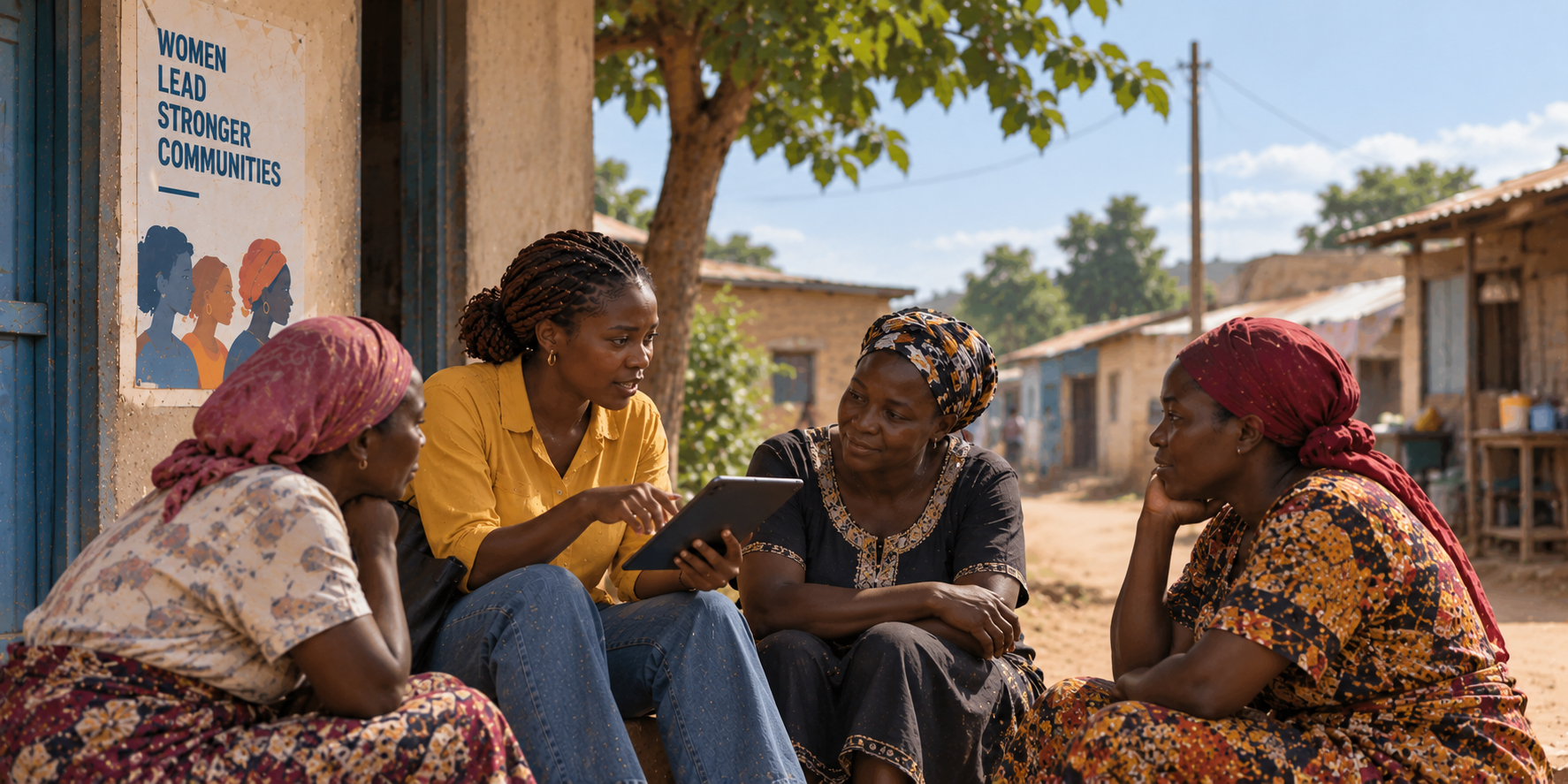
WatchTower was deployed to make it easier for women to share their experiences and for organisations to understand patterns across communities.
Reporting in familiar languages:
Women could share their experiences in the languages they were most comfortable using, reducing the need to translate their experiences before reporting them.
Voice and text reporting:
Participants could submit reports through voice or text, giving them different ways to describe their experiences.
Translation and organisation:
WatchTower helped transcribe, translate, and organise reports so experiences shared in different languages could be understood together.
Connecting related reports:
Reports could be explored across location, time and theme, helping recurring barriers to political participation become easier to identify.
Privacy by design:
Sensitive reports could be handled with appropriate protection of personal information, particularly where sharing experiences could create additional risks.
A picture began to emerge
As reports accumulated, individual experiences started to connect.
- Related reports
- 68
- Communities
- 14
- Languages
- 5
- Reporting period
- 9months
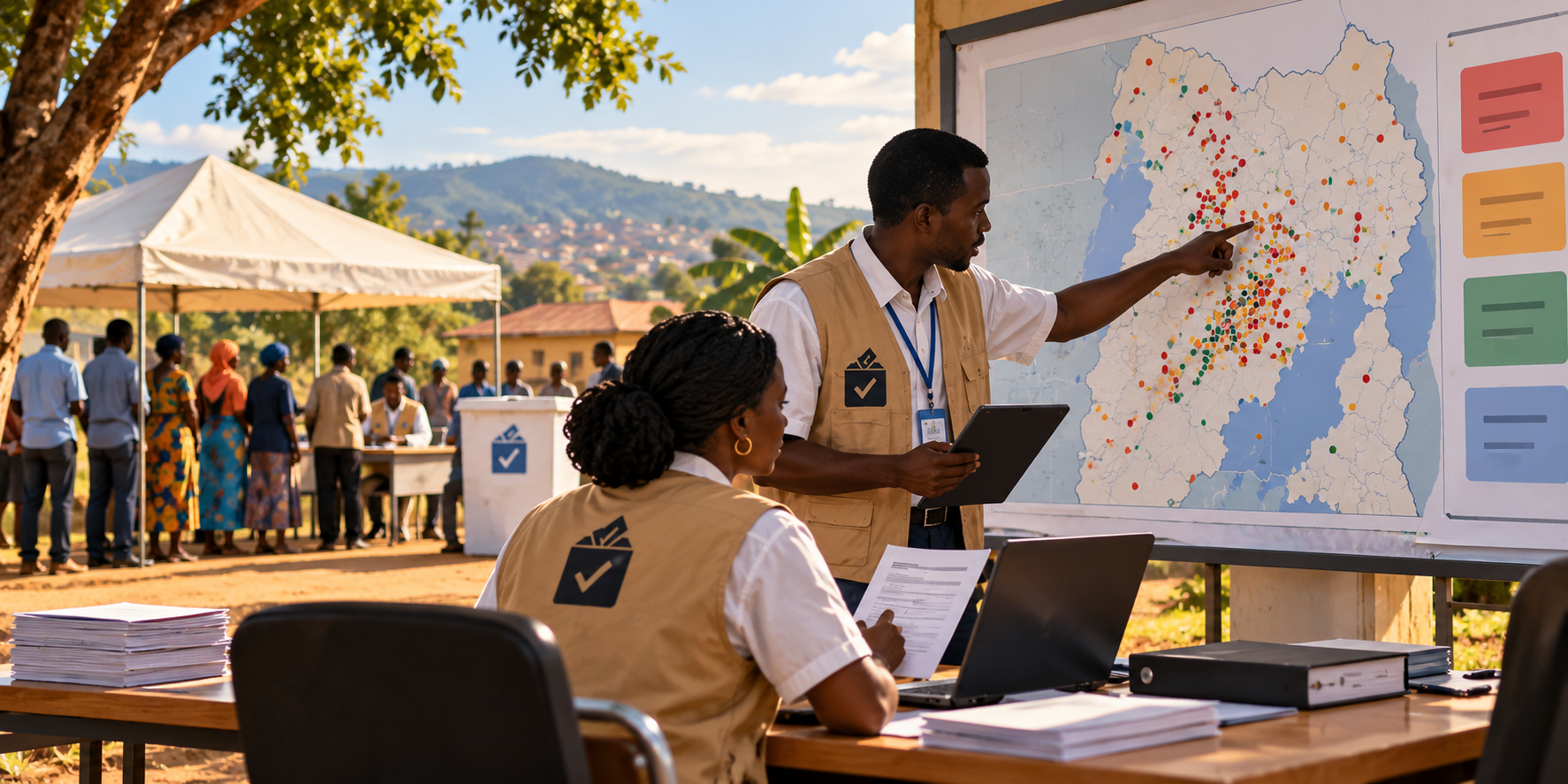
Where reports came from
Reports highlighted barriers around political networks, harassment, campaign resources, community attitudes, and access to political information.
Together, these reports provided a clearer picture of the experiences shaping women's decisions to participate in political leadership.
Explore on mapFrom evidence to action
Listening is only useful if what women share can inform what happens next.
The organisation could use the evidence to shape leadership programmes, strengthen mentorship, identify gaps in political information, and understand barriers that may require wider advocacy.
Community reporting can also help organisations see where experiences differ across communities and where similar barriers appear repeatedly.
Why it matters
Women's political participation is not only measured by who eventually reaches office. It also begins much earlier, with the decision to participate.
The experiences women share can help explain what shapes that decision, including whether they feel supported, informed and able to navigate the political environment around them.
When women can share these experiences in their own languages and those experiences can be connected and understood together, individual reports can contribute to a clearer picture of the pathways and barriers to political leadership.
Understanding those pathways can help organisations create better conditions for women to participate, lead and have a voice in public life.