Introduction
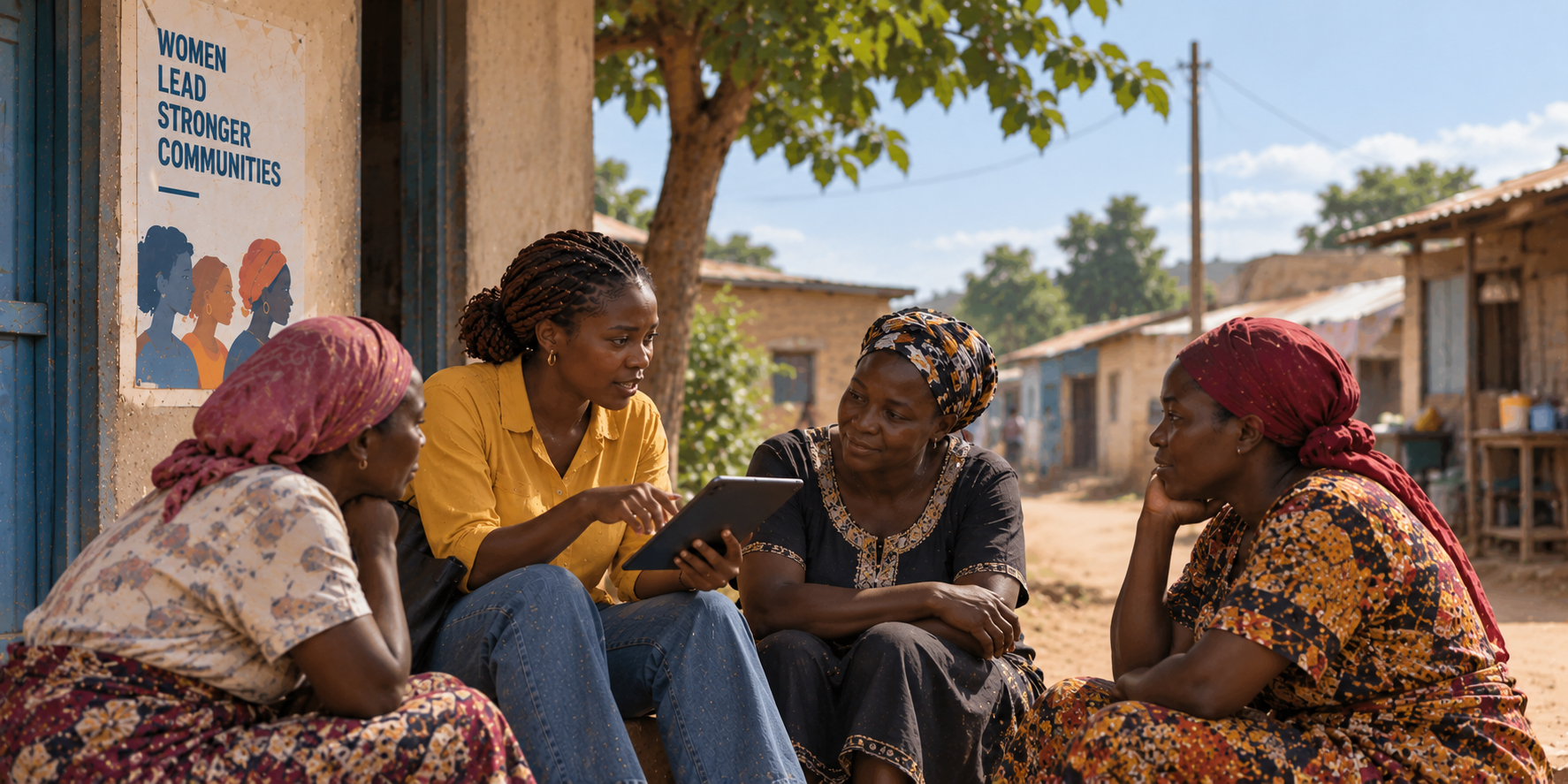
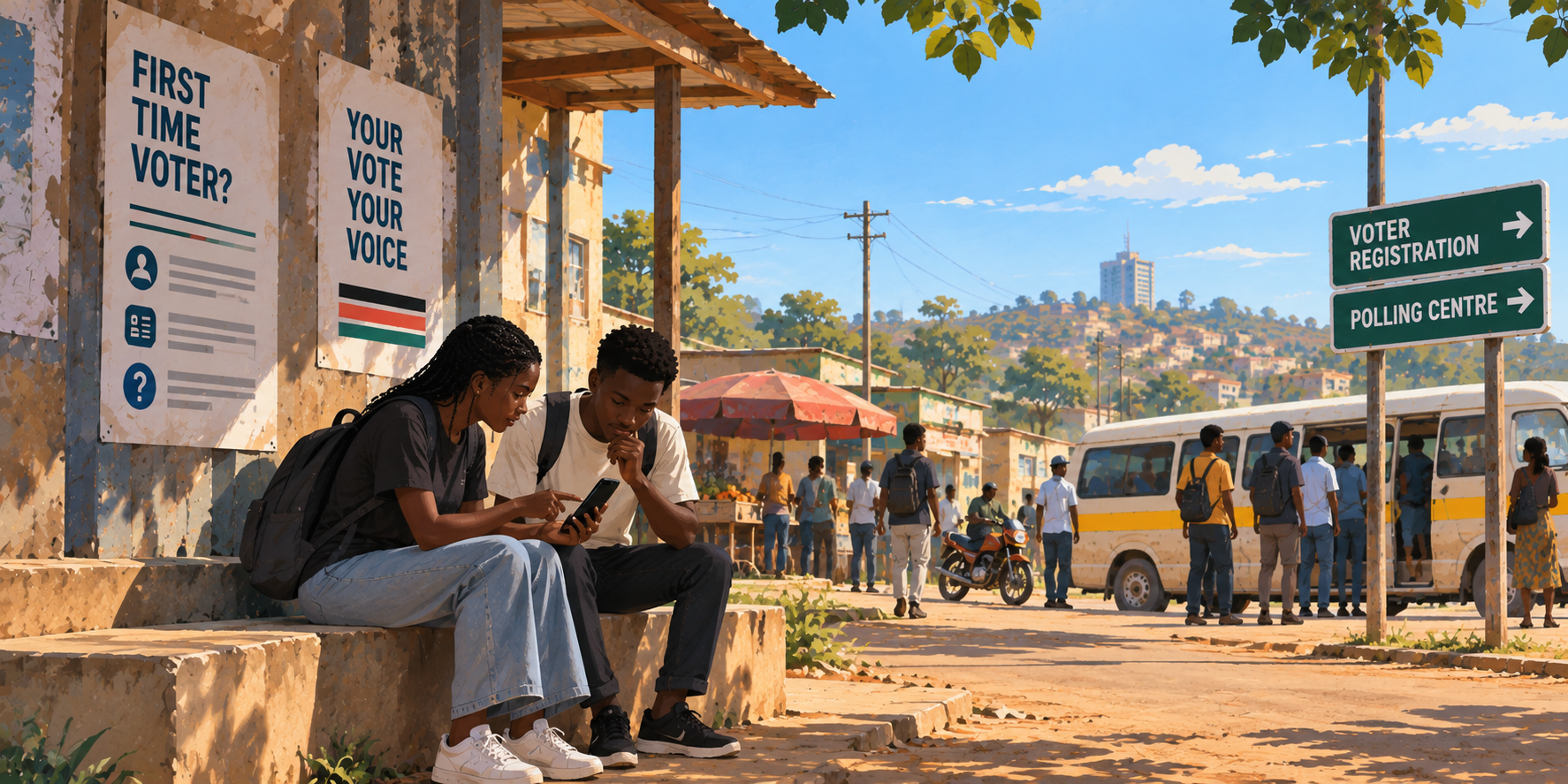
Election officials are responsible for making elections work across thousands of communities. But information about what people experience on the ground can be fragmented across complaints, phone calls, local organisations and individual reports.
A problem affecting one polling location may look like an isolated experience. When similar concerns emerge across several communities, they can point to an issue that needs attention.
The Election Project, a civic organisation wanted to create a clearer feedback loop between communities and election administrators.
Through WatchTower, people could report their experiences during the electoral process through voice, text and messaging. AI helped organise reports, identify recurring issues and show where similar concerns were emerging.
“We kept reporting the same problem, but we did not know whether anyone was seeing the bigger picture”
The goal was not for WatchTower to determine whether an election was fair or replace official channels. It was to help make community-level experiences easier to see, understand and respond to.
Hearing what the numbers can miss
Election administration produces important operational data: registered voters, polling locations, turnout, incidents and other official records.
But these figures do not necessarily show how people experience the process on the ground.
A single report about a missing material may appear isolated. Similar reports from several locations may reveal a recurring operational issue.
Community reporting creates another layer of evidence that can help election-support organisations and administrators identify where further attention may be needed.
How we listened
WatchTower was used to create a structured channel for communities to share experiences during the electoral process.
Reporting in familiar languages:
People could describe their experiences in languages they use every day.
Voice and text reporting:
Communities could report through voice, SMS, WhatsApp and other accessible channels.
Translation and organisation:
AI translated and structured reports so information from different languages could be understood together.
Connecting related reports:
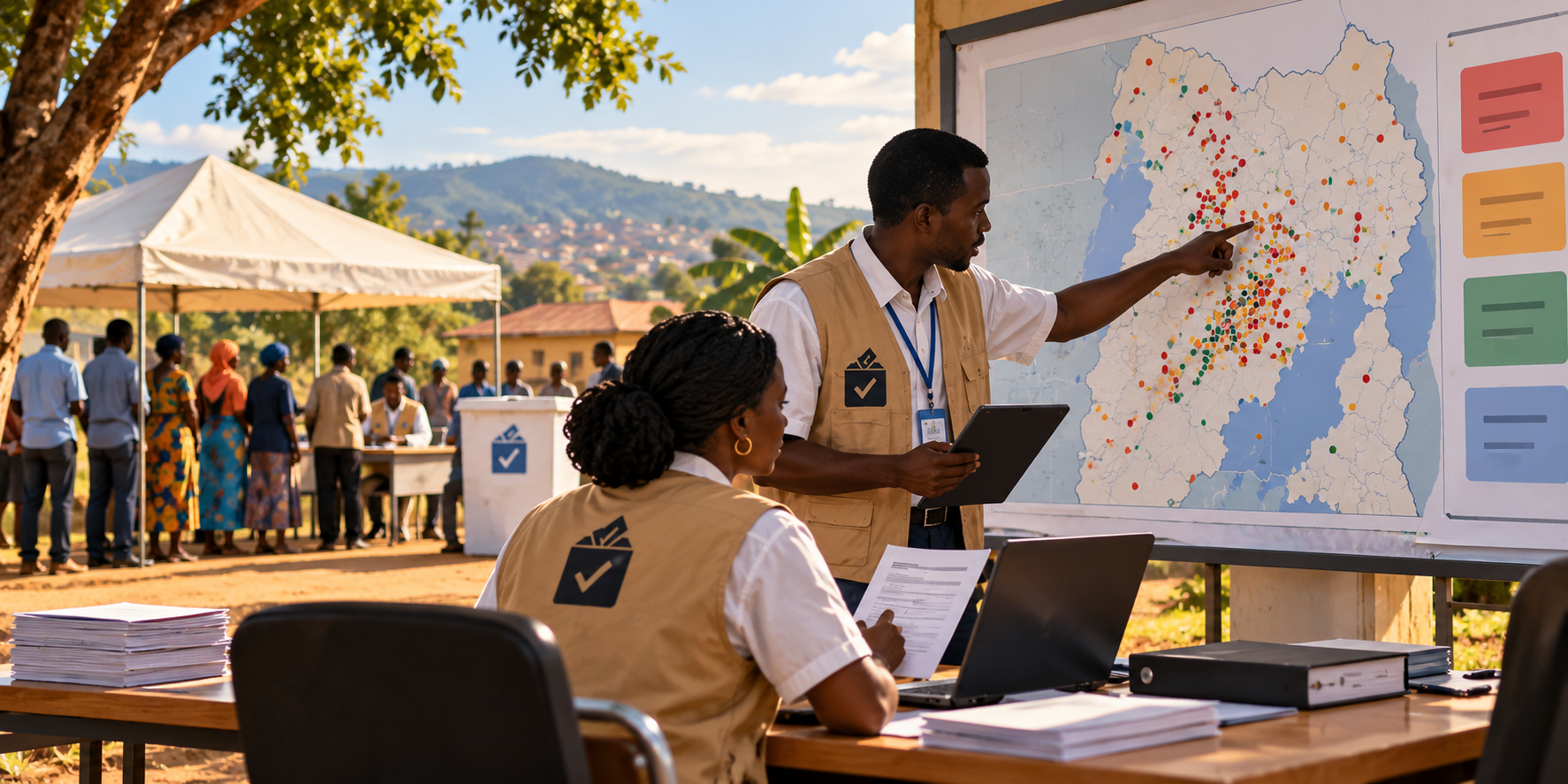
Similar reports could be connected across locations, helping distinguish isolated experiences from recurring patterns.
Routing issues for follow-up
Recurring concerns could be organised for review and, where appropriate, shared with relevant organisations or election administrators.
A picture began to emerge
As reports accumulated, individual experiences started to reveal patterns across the electoral process.
- Related reports
- 174
- Communities
- 23
- Languages
- 5
- Reporting period
- 3months
Where communities need attention
Reports could surface recurring concerns around polling procedures, access to polling locations, voter information, queues and waiting times, electoral materials, and communication with election officials.
Some issues appeared in one location. Others emerged across multiple communities.
Together, these reports provided a clearer picture of where additional attention or follow-up might be useful.
Explore on mapFrom feedback to response
Civic organisations could use the evidence to raise recurring issues with election administrators, support targeted voter information or direct communities toward appropriate official channels.
Where administrators respond, WatchTower could continue listening and help understand whether the reported experience changes.
Why it matters
Elections depend on thousands of interactions between institutions and communities.
For those institutions to respond effectively, they need ways to understand what people experience beyond formal statistics and isolated complaints.
WatchTower creates a feedback layer between communities and election-support institutions, using AI to connect reports across people, places, languages and time.
The result is not a verdict on the election. It is a clearer signal about where communities are asking to be heard.