Introduction
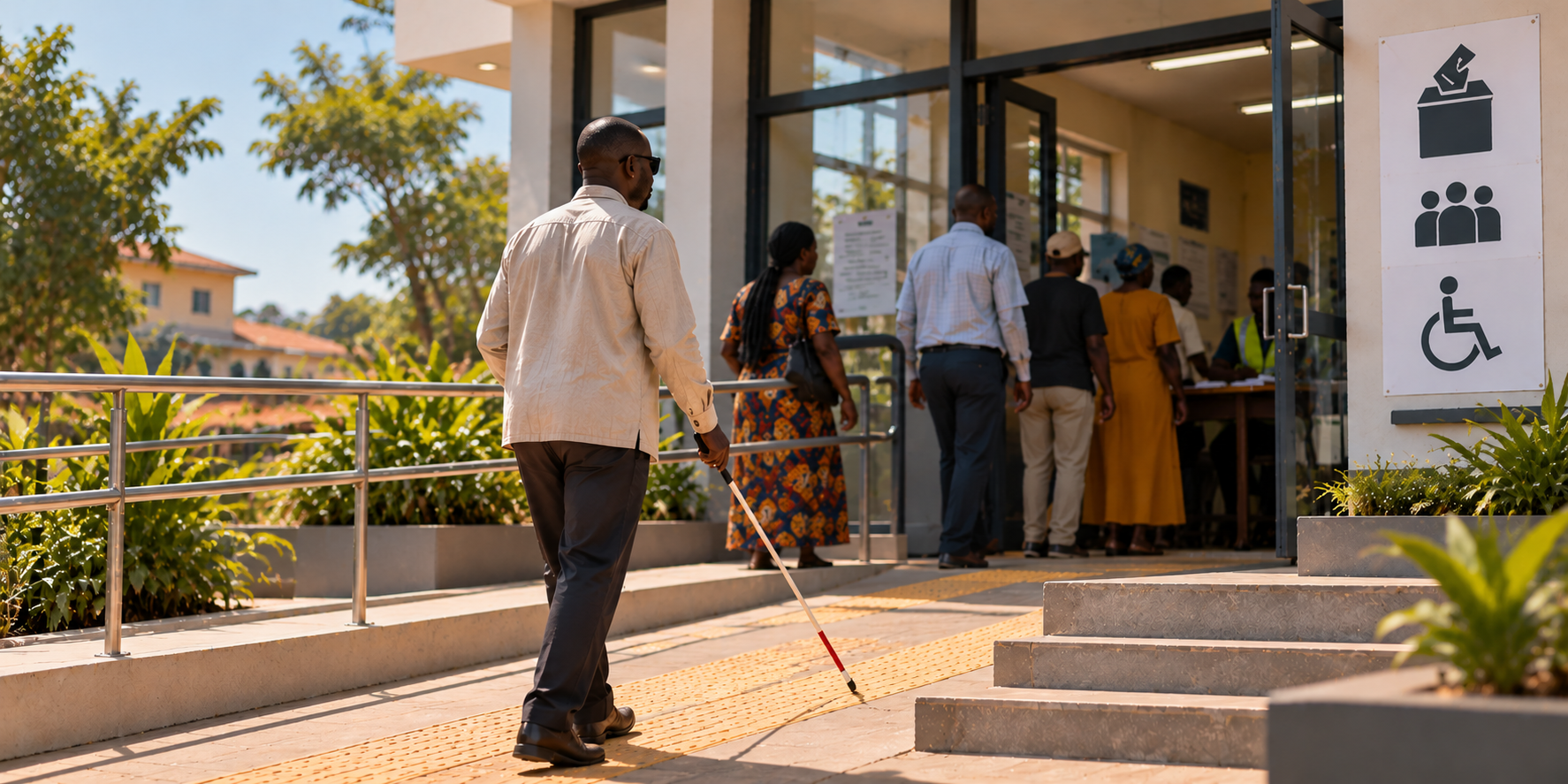
People with disabilities can face barriers that make it harder to participate fully in democratic processes.
Information may not be available in accessible formats. Polling locations may be difficult to reach. Public meetings and political organisations may not always be accessible to everyone.
Center for Inclusion, a disability rights organisation wanted to understand these experiences directly and identify the barriers people with disabilities faced when participating in public and political life.
Through a WatchTower deployment, people with disabilities could share their experiences of accessing political information, attending public meetings and participating in electoral processes.
“The information was available, but it was not available in a format I could use.”
One report captures one person’s experience. But when similar reports emerge from different communities, they can reveal recurring barriers.
WatchTower was used to bring these experiences together and make accessibility challenges easier to understand.
Hearing what the numbers can miss
Election statistics can tell us how many people voted. But they do not necessarily show whether everyone was able to participate on equal terms.
People with disabilities can describe barriers that are difficult to capture through aggregate electoral data, including inaccessible information, polling locations, transportation, and public meetings.
Community reporting creates another layer of evidence, grounded in what people experience when they try to participate.
How we listened
WatchTower was deployed to make it easier for people with disabilities to share their experiences and for the organisation to understand accessibility concerns across communities.
Reporting in familiar languages:
Participants could share their experiences in languages they were comfortable using, making it easier to describe barriers in their own words.
Voice and text reporting:
Participants could submit reports through voice or text, giving them different ways to share their experiences.
Translation and organisation:
WatchTower helped transcribe, translate and organise reports from different communities so accessibility concerns could be understood together.
Connecting related reports:
Reports could be explored across location, electoral processes and time, helping recurring accessibility barriers become easier to identify.
Privacy by design:
Personal information could be minimised or generalised where necessary, particularly when participants were sharing sensitive experiences.
A picture began to emerge
As reports accumulated, individual questions started to connect.
- Related reports
- 79
- Communities
- 16
- Languages
- 5
- Reporting period
- 8months
Where reports came from
Reports highlighted recurring concerns around accessible information, polling locations, political meetings, transportation and opportunities for political participation.
Together, these reports helped the organisation understand where people with disabilities encountered barriers to participating in democratic life.
Explore on mapFrom evidence to action
Listening is only useful if what communities share can inform what happens next.
The organisation could use these insights to inform accessibility advocacy, civic education programmes, election observation and engagement with electoral and political institutions.
The reports could also help identify where accessibility barriers were recurring across communities and where additional support or adaptation may be needed.
Why it matters
Democratic participation is meaningful when people can participate in practice, not only in principle.
When people with disabilities can share their experiences in their own languages, and those experiences can be connected and understood together, community reporting can help reveal barriers that aggregate participation figures may not show.
WatchTower helps organisations listen to those experiences and turn them into evidence that can support more inclusive democratic participation.